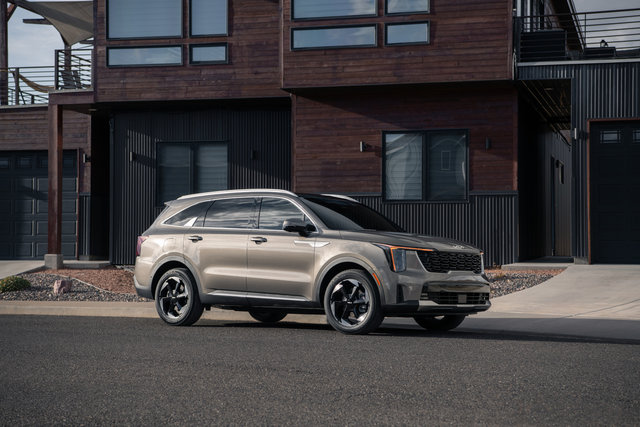
October marks tire changeover season across Ontario. Bolton drivers know the drill: swap out summer rubber for winter treads, check fluid levels, and prepare for months of variable weather. Snow, ice, freezing rain, and sudden temperature swings require vehicles that can handle slippery roads and low visibility without hesitation.
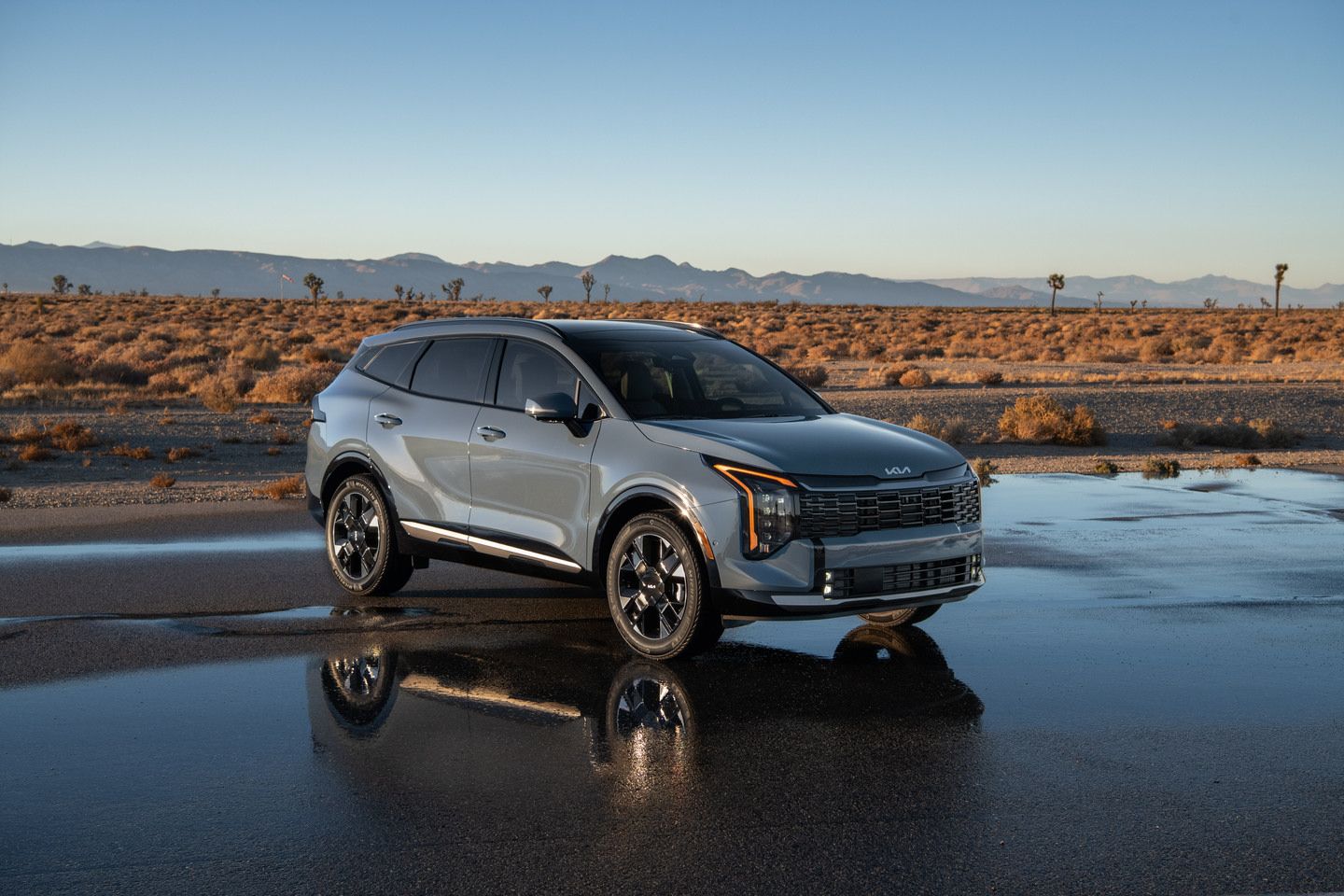
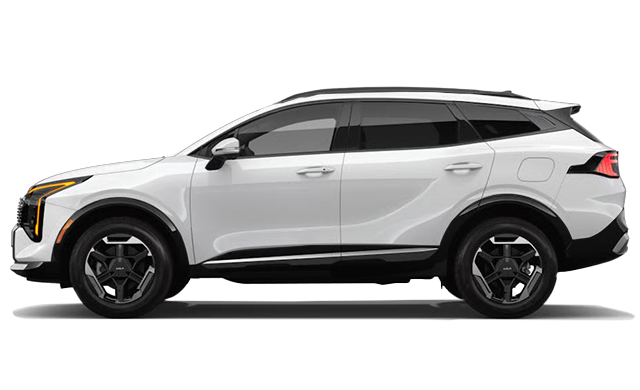
The 2026 Kia Sportage HEV addresses these conditions with standard all-wheel drive, 232 hp for traction on snow-covered roads, and a suite of safety features designed for winter challenges. From icy mornings on Highway 50 to fog rolling through Caledon hills, the Sportage HEV is engineered to keep Ontario drivers steady and aware.
At a Glance: 2026 Sportage HEV Winter Capability
|
Feature
|
Specification
|
|
Drive Type
|
All-wheel drive (AWD)
|
|
Combined Horsepower
|
232 hp
|
|
Combined Torque
|
271 lb-ft
|
|
Fuel Economy (combined)
|
6.7 L/100 km
|
|
Forward Collision-Avoidance Assist
|
1.5 (Car/Pedestrian/Cyclist)
|
|
Lane Keeping Assist
|
Standard
|
|
Rain-Sensing Wipers
|
Standard
|
|
Heated Windshield
|
Standard
|
Standard AWD for Snow-Covered Bolton Roads
The Sportage HEV comes with all-wheel drive as standard equipment. Power distributes between the front and rear axles based on traction needs, helping maintain grip when accelerating from a stop on icy pavement or navigating slushy intersections along King Street.
AWD doesn't eliminate the need for winter tires, but it improves your ability to get moving and stay controlled when roads lose traction. For Ontario drivers dealing with multiple freeze-thaw cycles each winter, AWD adds a layer of confidence.
232 Horsepower for Controlled Acceleration
The Sportage HEV's hybrid powertrain delivers 232 hp and 271 lb-ft of torque. That output helps maintain momentum on snow-covered hills or when merging onto Highway 400 during a snowstorm.
The electric motor provides instant torque at low speeds, which helps with smooth, controlled acceleration on slippery surfaces. Aggressive throttle inputs can break traction, but the hybrid system's power delivery is linear and predictable—important when you need to ease onto icy roads without spinning the wheels.
Forward Collision-Avoidance Assist 1.5 for Icy Conditions
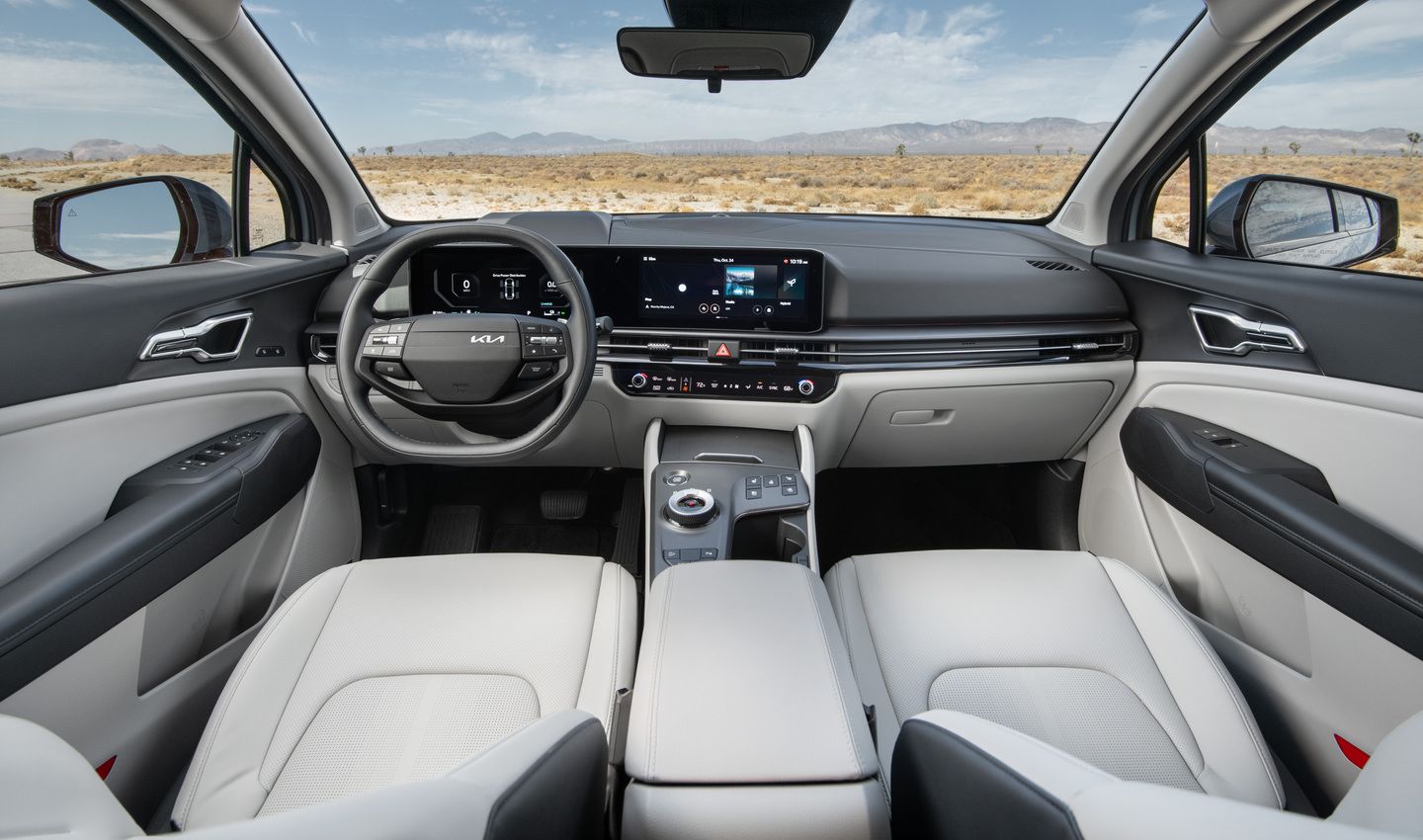
Winter driving reduces stopping distances. Ice, packed snow, and black ice all extend braking distance, sometimes dramatically.
The Sportage HEV includes Forward Collision-Avoidance Assist 1.5, which uses sensors and a camera to monitor the road ahead for vehicles, pedestrians, and cyclists. If the system detects a potential collision and you don't react in time, it can apply the brakes automatically to help reduce impact or avoid it entirely.
This feature doesn't replace safe driving, but it provides an extra layer of awareness during low-traction conditions—like when another vehicle stops suddenly ahead on a slick highway.
Lane Keeping Assist for Low Visibility
Snowstorms, fog, and early morning darkness reduce visibility on Ontario roads. Lane Keeping Assist helps keep the Sportage HEV centred in its lane when road markings are visible.
The system detects lane lines and provides steering input if you start to drift without signaling. It's useful during highway drives through reduced visibility, when it's easier to lose track of your position in the lane.
LKA works best when lane markings are clear. Heavy snow or faded lines can reduce effectiveness, but the system is designed to assist, not replace, active steering.
Rain-Sensing Wipers for Changing Conditions
Ontario winters bring freezing rain, wet snow, and slush. Rain-sensing wipers adjust speed automatically based on moisture detected on the windshield.
When conditions shift from light snow to heavy slush, the wipers respond without requiring manual adjustment. You keep your focus on the road instead of reaching for the wiper stalk.
Heated Windshield for Faster Defrosting
The Sportage HEV includes a heated windshield that helps clear frost and ice faster than traditional defrosters. Thin heating elements embedded in the glass work alongside the HVAC system to improve visibility during cold starts.
On freezing Bolton mornings, this feature reduces the time spent scraping ice and waiting for the defroster to catch up. You get a clear view sooner, which matters when you're trying to make an early appointment or school run.
Fuel Economy That Survives Winter Driving
Hybrid fuel economy drops in winter. Cold temperatures reduce battery efficiency, and heating the cabin requires more energy. The Sportage HEV achieves 6.7 L/100 km combined under normal conditions, but expect that figure to rise during prolonged cold weather.
Even with winter's efficiency penalty, the Sportage HEV uses less fuel than a comparable gasoline-only SUV. The hybrid system regenerates energy during braking, and the electric motor assists during acceleration—both of which help offset some of the winter losses.
Which Winter Drivers Benefit Most?
The Sportage HEV works well for Ontario drivers who:
- Navigate variable winter conditions (snow, ice, freezing rain) regularly
- Commute on highways and back roads where visibility and traction vary
- Want AWD and hybrid efficiency without choosing a larger vehicle
- Value safety features that provide additional awareness during low-traction driving
If your winter driving includes frequent trips on Highway 50, Caledon backroads, or early morning commutes through fog and frost, the Sportage HEV's combination of AWD, power, and safety features addresses those conditions directly.
Explore the 2026 Sportage HEV's Winter Features at Bolton Kia
October is the right time to evaluate your vehicle's winter readiness. Visit Bolton Kia to see how the 2026 Sportage HEV's AWD, safety features, and hybrid efficiency handle Ontario's toughest driving season.
To learn more about the 2026 Kia Sportage HEV, visit Kia.ca