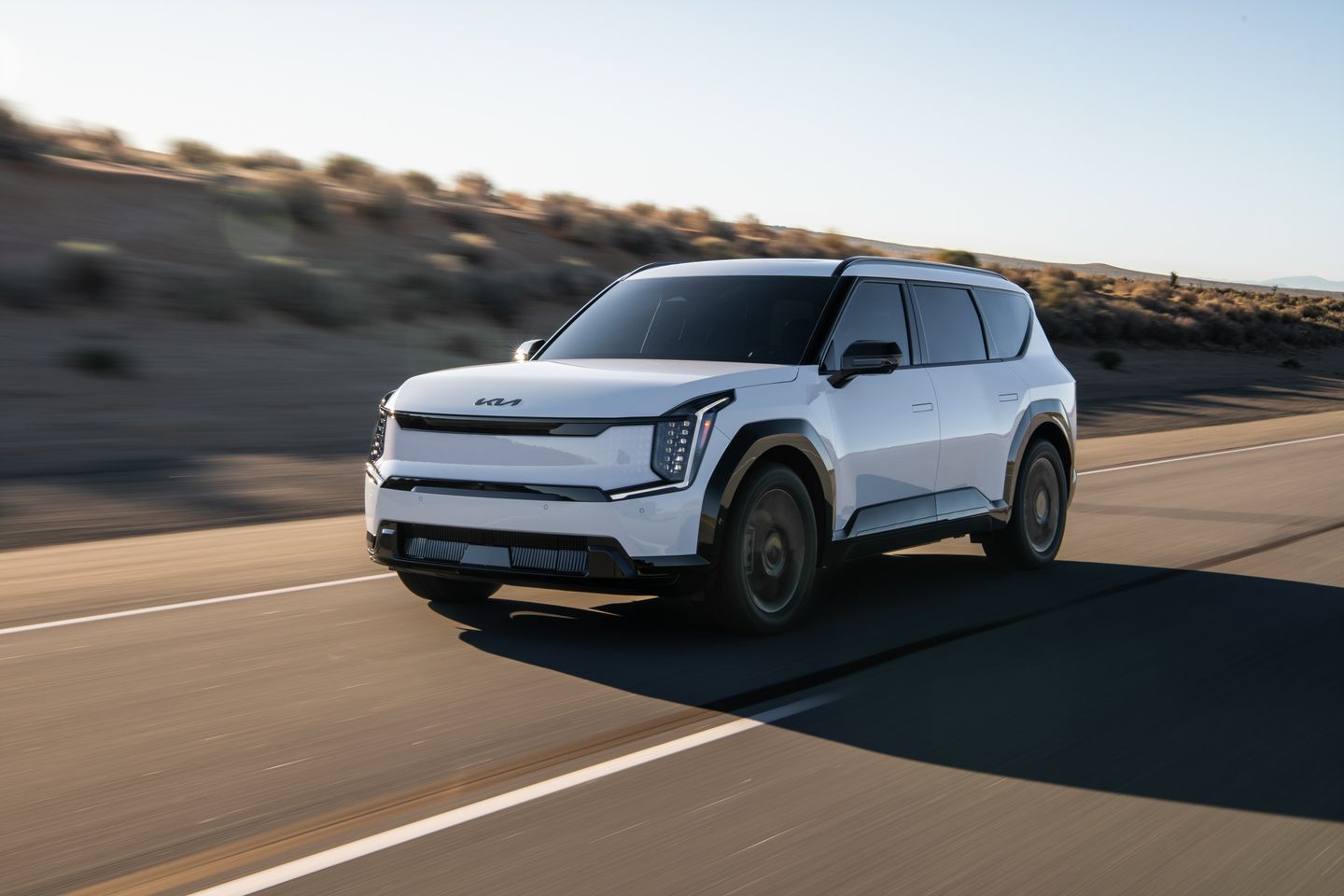
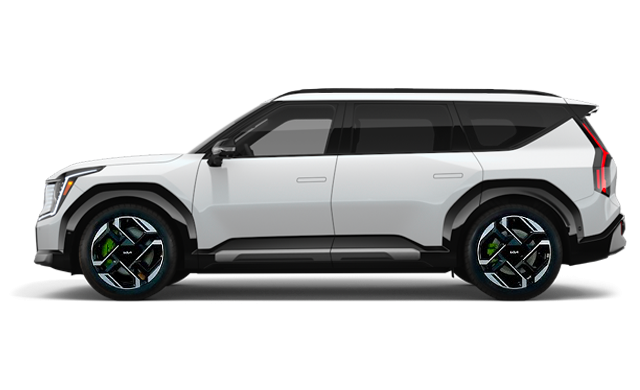
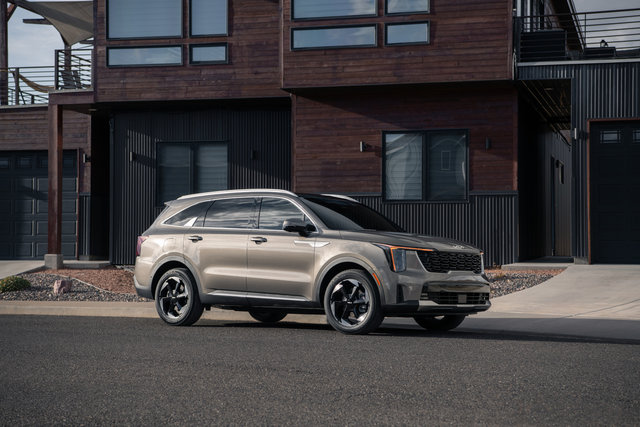
Winter driving in Ontario brings unique challenges for electric vehicle owners. Cabin heating can consume significant battery power, reducing your driving range when you need it most. The 2026 Kia EV9 addresses this concern with an advanced heat pump system available on Wind, Land, and GT-Line trims—a practical solution for drivers in Bolton and across the province who need three-row SUV capability year-round.
Understanding the Heat Pump Advantage
Traditional electric vehicles rely on resistive heaters—essentially large toaster elements—that draw power directly from the battery to warm the cabin. This approach can reduce winter range by 20 to 30 percent in typical Canadian conditions. The heat pump in the Kia EV9 takes a different approach, using approximately one-third of the energy required by conventional electric heaters to achieve the same heating output.
Rather than generating heat from scratch, the heat pump moves existing thermal energy from one place to another. Even in cold weather, ambient air contains usable heat that the system can extract and concentrate. The technology works similarly to a refrigerator running in reverse—capturing heat from outside and transferring it into the cabin.
How the System Works in Real Conditions
The heat pump operates efficiently across a wide temperature range, making it well-suited for Ontario winters. When temperatures drop, the system pulls heat from multiple sources: ambient air, waste heat from the electric motors, and thermal energy from the battery pack itself. This multi-source approach ensures consistent cabin comfort without excessive battery drain.
During a typical winter commute in Bolton, the heat pump activates as soon as you start the vehicle. The system quickly reaches operating temperature and begins warming the cabin while using less energy than traditional heating methods. This efficiency translates directly to extended driving range—the difference between making it to your destination comfortably or needing an unplanned charging stop.
Battery Preconditioning for Optimal Performance
The heat pump serves another critical function beyond cabin heating: battery thermal management. Lithium-ion batteries perform best within a specific temperature range. When cold-soaked overnight, a battery delivers reduced power and accepts charge more slowly. The heat pump addresses this by preconditioning the battery pack before you drive.
When you schedule departure time through the Kia Connect app, the system warms both the cabin and battery while the vehicle remains plugged in. This draws power from the grid rather than the battery, preserving your full driving range. The preheated battery delivers stronger acceleration and more efficient energy use from the moment you leave your driveway.
Comparing Heating Methods: Heat Pump vs. Resistive Heating
|
Heating Method
|
Energy Consumption
|
Winter Range Impact
|
Cabin Warm-Up Time
|
|
Resistive Heater
|
High (direct battery draw)
|
25-30% reduction
|
8-12 minutes
|
|
Heat Pump (EV9)
|
Low (3x more efficient)
|
15-20% reduction
|
6-8 minutes
|
The efficiency advantage becomes more pronounced during longer drives. On a highway trip from Bolton to Toronto, a heat pump-equipped vehicle maintains comfortable temperatures while using significantly less battery capacity than a resistive-heated model covering the same distance.
Practical Benefits for Ontario Drivers
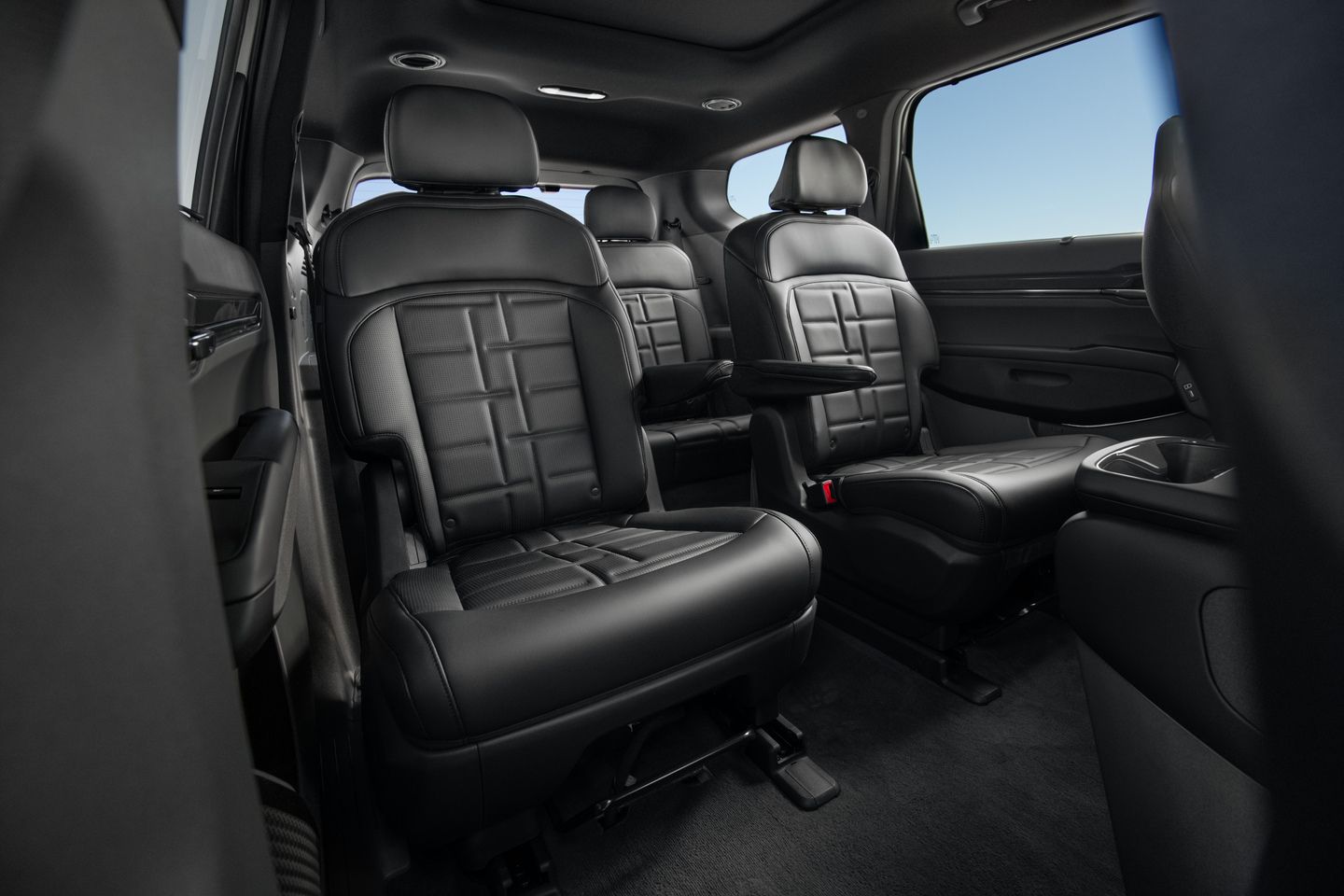
The heat pump's efficiency matters most during the coldest months. When temperatures drop below -10°C, traditional electric heaters work overtime to maintain cabin warmth, consuming substantial battery power. The heat pump continues operating effectively in these conditions, extracting available thermal energy and delivering it to the cabin.
This efficiency translates to real-world advantages. You can run the heater without constantly monitoring the range indicator. Heated seats and steering wheel—which consume minimal power—complement the heat pump by providing direct warmth to occupants. Together, these features create a comfortable winter driving experience without range anxiety.
EV9: Built for Canadian Winters
The EV9 Wind, Land, and GT-Line trims come equipped with heat pump technology. With battery options of 76.1 kWh (Light RWD) or 99.8 kWh (Wind, Land, GT-Line), the EV9 benefits from the heat pump's efficiency when heating a spacious three-row interior. The system operates automatically, requiring no special settings or driver intervention. Tri-zone automatic climate control allows different temperature preferences for front and rear passengers, while the heat pump efficiently manages the total heating load.
Remote Climate Control Through Kia Connect
The Kia Connect app enhances the heat pump's effectiveness through remote climate control. Before leaving for work on a cold morning, you can activate the climate system from inside your home. The vehicle warms the cabin and battery while plugged in, ensuring comfort and optimal range when you're ready to drive.
This remote preconditioning feature works seamlessly with the heat pump system. The cabin reaches your preferred temperature without draining the battery, and the preconditioned battery pack delivers full power and efficiency from the start of your journey. You can also monitor charging status and adjust settings remotely, making winter EV ownership more convenient.
Maximizing Winter Range with Smart Heating Strategies
The heat pump provides the foundation for efficient winter driving, but a few additional strategies optimize your range:
Use Heated Seats and Steering Wheel First: These features warm you directly using minimal power. Set the cabin temperature a few degrees lower and rely on seat heaters for comfort.
Precondition While Plugged In: Always use remote climate control when connected to a charger. This warms the cabin and battery using grid power rather than battery capacity.
Maintain Steady Speeds: Smooth acceleration and moderate highway speeds reduce overall energy consumption, leaving more battery capacity available for heating.
Monitor Tire Pressure: Cold weather reduces tire pressure, increasing rolling resistance. Properly inflated tires improve efficiency and help maintain range.
The heat pump handles the heavy lifting of cabin heating, but these complementary practices further extend your winter driving range.
Why Heat Pump Technology Matters
For drivers considering an electric SUV, heat pump technology represents a significant practical advantage. The system addresses one of the primary concerns about EV ownership in cold climates: maintaining comfort without sacrificing range. The EV9 demonstrates that electric vehicles can deliver reliable winter performance when equipped with efficient thermal management.
The technology also supports faster DC fast charging in cold weather. By preconditioning the battery to optimal temperature before reaching a charging station, the heat pump enables the battery to accept higher charging rates. This reduces charging time and makes long winter trips more practical.
Experience Winter-Ready Electric Driving
The heat pump system in the Kia EV9 solves a real challenge for Ontario drivers. By using one-third the energy of traditional electric heaters, the technology preserves battery range while maintaining cabin comfort throughout winter. Combined with remote preconditioning and intelligent thermal management, this electric SUV delivers practical cold-weather performance.
Visit Bolton Kia to experience how the EV9 handles Ontario winters. Our team can demonstrate the heat pump system, explain preconditioning features, and help you understand real-world winter range for your driving needs. Schedule a test drive and discover how efficient heating technology makes electric SUV ownership practical year-round in Bolton.
To learn more about the 2026 Kia EV9, visit Kia.ca