Ontario's spring brings a unique challenge: the transition from frozen roads to muddy, unpredictable conditions. As temperatures rise and snow melts, your Kia faces road salt residue, standing water, and soft shoulders that test both vehicle maintenance and drivetrain capability. Whether you drive a Niro EV, Sportage PHEV, or EV6, understanding how to prepare your vehicle for mud season ensures reliable performance and protects your investment.
Spring maintenance goes beyond a simple car wash. Road salt embedded in your undercarriage, winter-worn wiper blades, and tire pressure fluctuations all demand attention. For Kia owners with all-wheel drive or electric powertrains, this season also offers an opportunity to understand how your vehicle's technology handles slippery surfaces and how to optimize battery performance as temperatures stabilize.
Essential Spring Maintenance Checklist
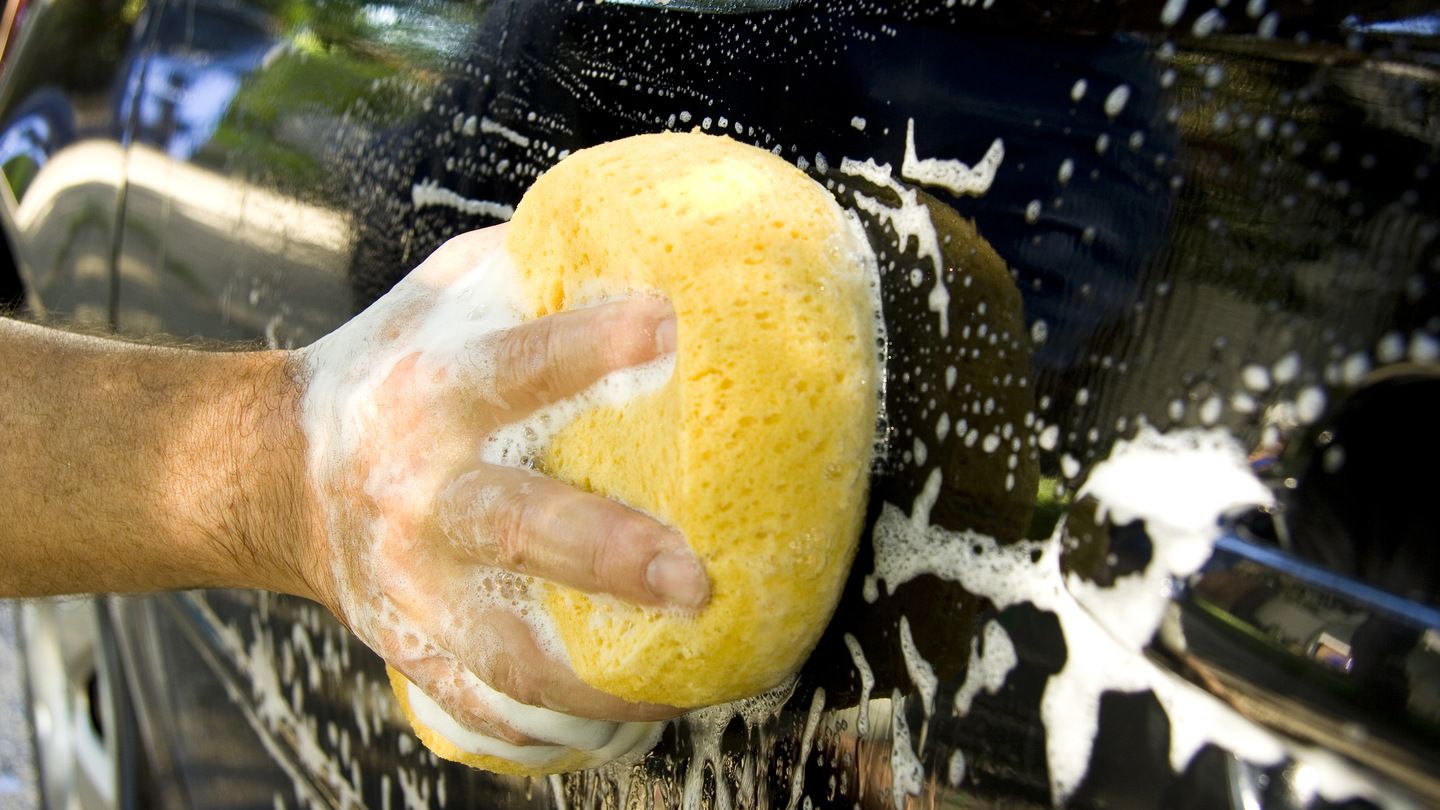
Start with the undercarriage. Road salt accumulates on the frame, suspension components, and brake assemblies throughout winter. A thorough undercarriage wash removes corrosive deposits that standard car washes cannot reach. Wheel wells and lower body panels trap salt in pockets where rust begins from the inside out. Use automotive shampoo for the exterior - dish soap or laundry detergent strips protective sealant.
Brake inspection is critical after winter. Salt and moisture corrode brake pads, rotors, and calipers. Have a technician assess wear and verify proper function before spring driving conditions demand full braking performance. Pair this with a battery test if your vehicle is over three years old, as cold weather degrades battery capacity even in electric and plug-in hybrid models.
Fluid top-up addresses multiple systems: coolant, brake fluid, windshield washer fluid (switch to a summer formula), and transmission fluid where applicable. Check belts and hoses for cracks, swelling, or soft spots that cold temperatures worsen.
Replace your cabin air filter - it accumulates winter debris and salt dust that reduce HVAC efficiency and air quality. Wiper blades worn by ice and freezing rain should be swapped for spring/summer versions ahead of April showers. Inspect all exterior lights and replace any bulbs that failed during winter. Apply clay bar treatment to remove embedded iron particles and road grime that washing alone cannot fix, then protect the freshly cleaned paint with wax or paint sealant.
Tire Pressure and Tread Depth for Wet Roads
Swap winter tires for all-season or summer tires once temperatures consistently stay above 7°C. Running winter tires in warm weather accelerates tread wear and reduces handling precision. Before storing winter tires, wash and dry them thoroughly to prevent salt-induced corrosion.
Check tire pressure immediately after the swap. Cold winter temperatures cause pressure to drop, and many drivers enter spring with underinflated tires. Recalibrate to the manufacturer's recommended PSI listed on your door jamb. Proper inflation improves fuel economy, handling, and tire longevity.
Inspect tread depth using the quarter test: insert a quarter into the tread groove with the caribou's nose pointing down. If you can see the nose, your tread is below the minimum safe depth of approximately 4/32 inch. Watch for uneven wear patterns caused by potholes and ice ridges - these indicate alignment issues that will worsen if left unaddressed.
Book a wheel alignment check. Ontario's pothole season knocks alignment out of specification, causing uneven tire wear and reduced fuel efficiency. Proper alignment ensures your Kia tracks straight and maximizes tire contact with wet pavement.
How Kia AWD Systems Handle Mud and Slippery Conditions
Kia's all-wheel drive systems actively monitor wheel slip and redistribute torque to maintain traction on muddy or wet surfaces. In the Sportage PHEV and Sorento PHEV, the AWD system pairs mechanical torque distribution with electric motor assistance, delivering power to the wheels with the most grip.
When you encounter soft shoulders or standing water, the system responds within milliseconds. Front wheels begin to slip, sensors detect the loss of traction, and torque shifts rearward automatically. This happens without driver input, making AWD particularly valuable during sudden traction loss on spring roads where dry pavement transitions to mud or pooled water without warning.
Drive modes enhance this capability. Select Snow mode (available on AWD-equipped models) to optimize throttle response and shift patterns for slippery surfaces. The system maintains lower engine speeds and reduces aggressive acceleration that can break traction. On muddy rural roads or unpaved driveways softened by snowmelt, Snow mode provides smoother power delivery and better control. Mud mode and Sand mode are also available on select models like the Sportage, distributing traction forces appropriately for those specific conditions.
Electric and plug-in hybrid Kia models benefit from instant torque delivery at low speeds, which helps when navigating mud or steep, slippery grades. The electric motor's immediate response eliminates turbo lag and provides controlled acceleration without wheel spin.
Suspension and Chassis Checks After Pothole Season
Ontario's freeze-thaw cycles create potholes that stress suspension components. Inspect shock absorbers and struts for leaks or damage. A damaged shock cannot control wheel movement properly, reducing handling and increasing stopping distances on wet roads.
Check control arm bushings and ball joints for excessive play. These components absorb impact from potholes and deteriorate over time. Worn bushings create clunking noises and allow misalignment that accelerates tire wear.
Examine the exhaust system for loose hangers or damage from road debris. Winter's combination of salt, impacts, and temperature extremes weakens exhaust components. A loose exhaust can rattle against the undercarriage and eventually fail.
Cabin Air Filter Replacement
Your cabin air filter traps winter debris, road salt dust, and particulates. A clogged filter reduces HVAC efficiency and allows unfiltered air into the cabin. Spring is the ideal time to replace it - before pollen season begins and air quality demands increase.
Replacing the cabin air filter improves airflow, reduces musty odours, and ensures your HVAC system operates efficiently. In electric Kia models, HVAC efficiency directly affects driving range, making a clean filter particularly valuable for maximizing battery performance.
Interior Cleaning for Salt Removal
Vacuum carpets and floor mats thoroughly. Salt crystals embed in fabric and continue degrading material if left unaddressed. Treat salt rings on carpet with specific automotive cleaners - water alone will not remove the residue.
Clean and UV-protect the dashboard and trim. Winter sun at low angles and dry cabin air crack and fade plastic surfaces. Use a dedicated automotive interior protectant to restore and preserve these surfaces.
Address odours with a neutralizer, not just an air freshener. Winter moisture, wet boots, and closed cabin air create musty smells that surface-level fragrances cannot eliminate. Clean interior glass with a dedicated glass cleaner to remove winter film that reduces visibility.
Electric and Plug-In Hybrid Considerations
As temperatures stabilize, battery performance in the Niro EV, EV6, Niro PHEV, Sportage PHEV, and Sorento PHEV improves naturally. Cold weather reduces electric range by 20-40% in Canadian conditions; spring temperatures restore much of that lost capacity without any intervention required.
Continue using battery preconditioning when available. Warming the battery before departure optimizes performance and, in plug-in models, maximizes charging efficiency. Remote start and scheduled departure features allow you to precondition the cabin and battery while still connected to shore power, preserving driving range.
Heat pump HVAC systems (available in select Kia electric models) operate more efficiently as ambient temperatures rise, reducing the energy draw on the battery pack. This translates to improved range and reduced charging frequency during spring driving.
Visit Bolton Kia for Spring Service
Our service team uses professional-grade equipment to perform thorough undercarriage washing, brake inspections, and multi-point checks that address winter wear. Tire swap, rotation, and alignment are available in a single appointment, and our technicians can assess suspension components for pothole damage.
For electric and plug-in hybrid owners, we offer battery health assessments and software updates that optimize performance. Our team can walk you through your vehicle's AWD system operation and drive mode selection to ensure you're prepared for Ontario's variable spring conditions. Contact Bolton Kia today to book your spring service appointment.
To learn more about Kia Scheduled Maintenance, visit Kia.ca