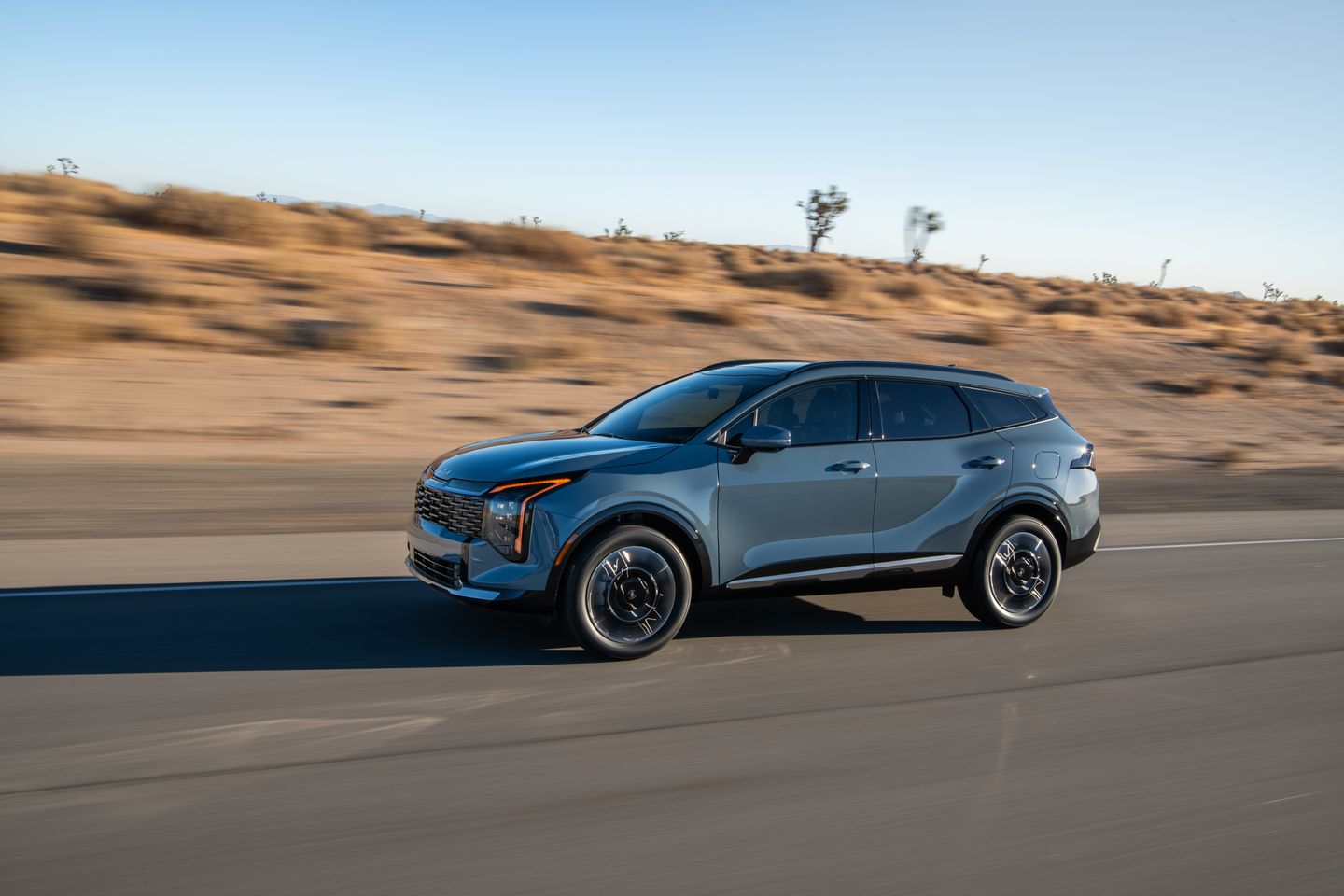
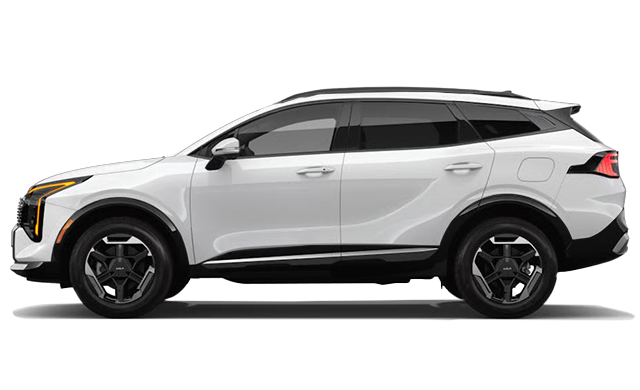
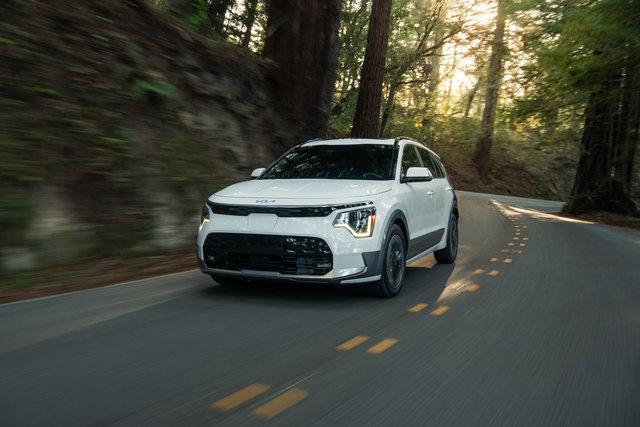
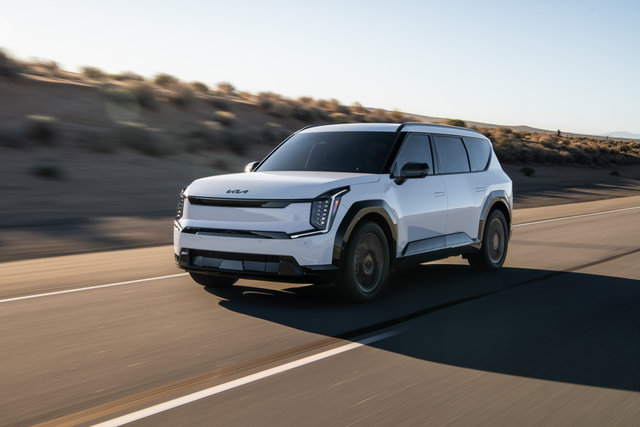
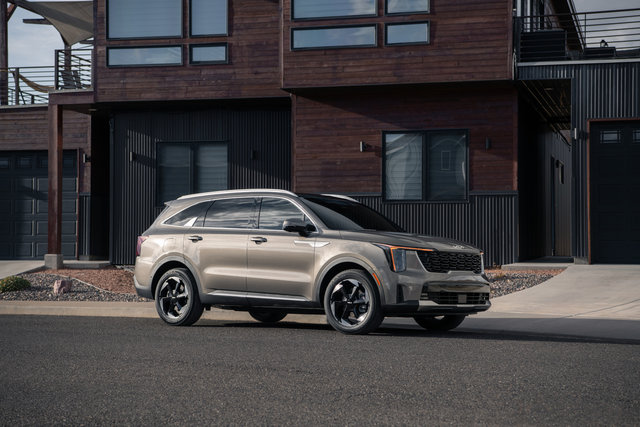
The 2026 Kia Sorento HEV and Sportage HEV share the same 1.6L turbocharged hybrid powertrain, standard AWD, and Kia's latest design language. The difference isn't in how they drive - it's in who rides along and what comes with them.
For Ontario families navigating the gap between compact convenience and three-row practicality, the choice comes down to seating count and cargo flexibility. The Sorento HEV seats six across three rows with 2,139 litres of total cargo space. The Sportage HEV seats five with 1,852-2,087 litres total. Both deliver hybrid efficiency in the 6.7-7.0 L/100 km range, but the Sorento's additional passenger capacity and superior cargo-with-passengers-seated configuration justify its larger footprint for families who actually use that space.
|
Feature
|
2026 Kia Sorento HEV
|
2026 Kia Sportage HEV
|
|
Seating Capacity
|
6-passenger (3 rows)
|
5-passenger (2 rows)
|
|
Powertrain
|
1.6L Turbo HEV + Motor
|
1.6L Turbo HEV + Motor
|
|
Total System Output
|
227 hp / 258 lb-ft
|
232 hp / 271 lb-ft
|
|
Fuel Economy (Combined)
|
7.0 L/100 km
|
6.7 L/100 km
|
|
Cargo Volume (Total)
|
2,139 L
|
1,852 / 2,087 L
|
|
Towing Capacity
|
2,000 lb (907 kg)
|
2,000 lb (907 kg)
|
|
Drivetrain
|
AWD
|
AWD
|
Who Needs the Third Row - and Who Doesn't
The Sportage HEV works for families who rarely exceed five passengers. If your household is two adults and two kids, the five-seat layout eliminates the unused third row and shortens overall length for easier parking in urban Ontario settings.
The Sorento HEV answers a different question: what happens when grandparents visit, when the carpool rotation adds a sixth passenger, or when your family grows beyond four? The six-passenger three-row configuration means you don't need to choose between people and cargo. Weekend cottage trips, hockey tournaments with gear, or airport runs with extended family all fit without rearranging seats or leaving someone behind.
Cargo Space When Passengers Are Aboard
The Sportage HEV offers 977-1,119 litres behind the second row (depending on floor position). That capacity handles grocery runs, stroller storage, and weekend luggage for a family of four.
The Sorento HEV delivers 1,090-1,274 litres behind the second row - giving you more usable cargo space even with all passenger seats occupied. Behind the third row, the Sorento still provides 357 litres for daily errands. Fold the second and third rows flat, and you gain 2,139 litres of total cargo volume - a cargo floor that accommodates furniture, sports equipment, or camping gear without requiring a roof box.
For families who routinely carry bulky items - hockey bags, strollers, coolers, or home improvement supplies - while transporting passengers, the Sorento's configuration eliminates compromises. You don't need to choose between passengers and cargo, and you don't need roof racks for trips requiring both.
227 hp vs 232 hp: The Hybrid Powertrain Both Share
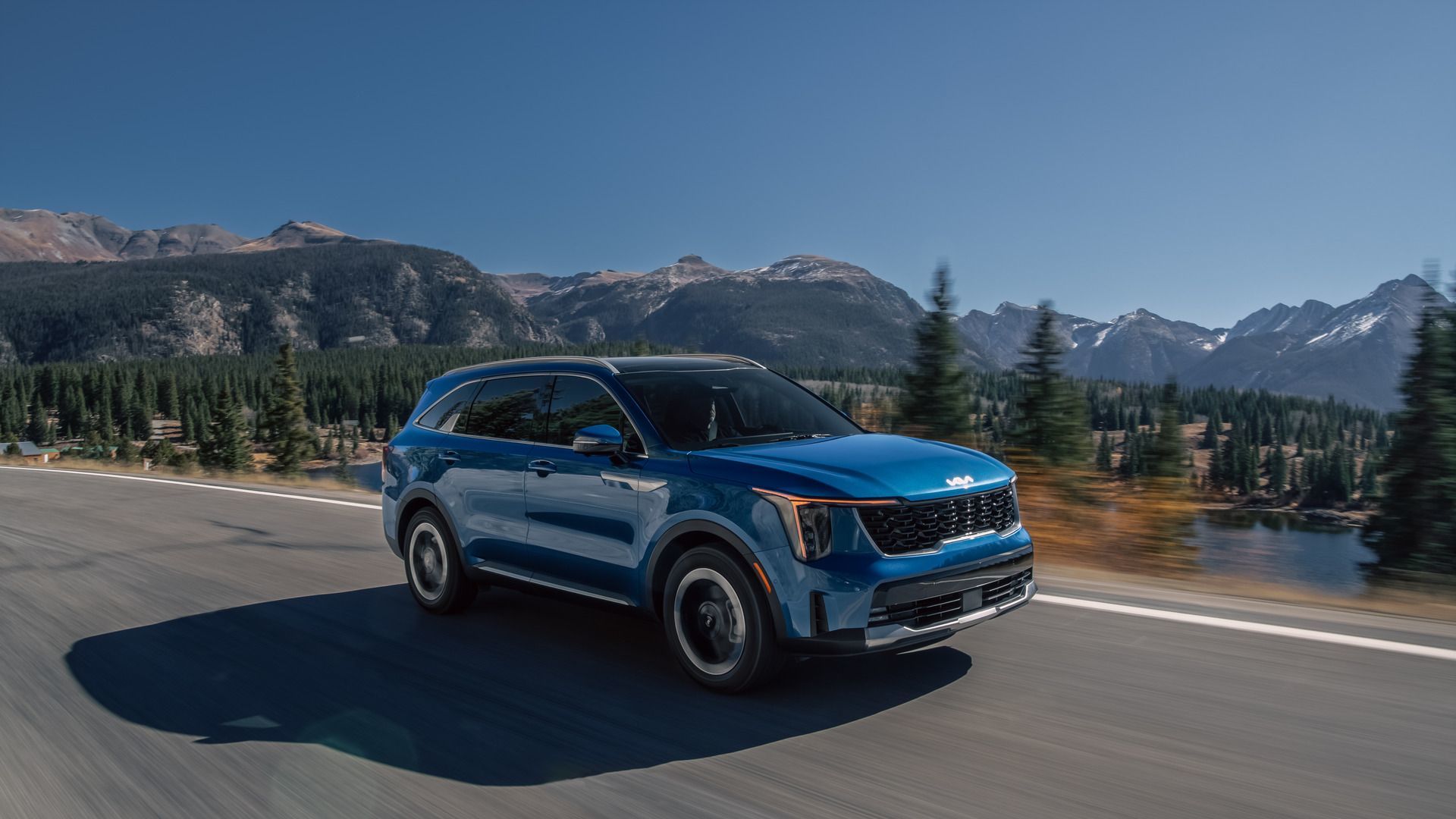
Both vehicles use Kia's 1.6L turbocharged hybrid system paired with a permanent magnet synchronous motor and 6-speed automatic transmission. The Sportage HEV generates 232 hp and 271 lb-ft of torque. The Sorento HEV produces 227 hp and 258 lb-ft.
The 5 hp and torque difference doesn't translate to a noticeable performance gap in daily driving. Both vehicles deliver smooth acceleration from stops, confident highway merging, and responsive throttle input thanks to the electric motor's instant torque delivery.
7.0 L/100 km vs 6.7 L/100 km: The Efficiency Trade-Off for Extra Space
The Sportage HEV achieves 6.7 L/100 km combined fuel economy. The Sorento HEV returns 7.0 L/100 km combined. The difference works out to roughly 3 litres per 1,000 kilometres driven.
The Sorento's 7.0 L/100 km figure remains competitive within the three-row hybrid segment. Families who prioritize maximum efficiency and don't need the third row will find the Sportage's 6.7 L/100 km rating more appealing. Families who need six seats will accept the modest fuel economy difference as the cost of additional space.
What Each Trim Adds Across the Lineup
The Sorento HEV starts with the LX trim, which includes 19" alloy wheels, LED headlights, heated power mirrors, roof rails, and rear spoiler. Six-passenger seating is standard across all trims.
The EX trim adds LED projection headlights, laminated front door glass, synthetic leather seats, heated steering wheel, wireless phone charger, smart power liftgate, and HomeLink integration.
The SX trim brings panoramic sunroof, rain-sensing wipers, genuine leather seats, air-cooled front seats, driver's seat memory, heated second-row seats, Bose premium audio, 12.3" LCD instrument cluster, Digital Key, navigation, surround view monitor, blind view monitor, Highway Drive Assist 2, and Forward Collision Avoidance 2.
The Sportage HEV lineup starts with the EX trim, featuring 17" alloy wheels, projection LED headlights, heated windshield, and rain-sensing wipers. The EX Premium adds 18" alloy wheels, panoramic sunroof, and power-folding mirrors. The SX trim introduces 4-cube projection LED headlights, Harman Kardon premium audio, heads-up display, and remote smart parking assist.
Where Safety Tech Covers All Six Passengers
The Sorento HEV includes nine airbags - covering all three rows - compared to the Sportage HEV's eight airbags across two rows. Both vehicles offer Forward Collision Avoidance, lane-keeping assist, and Highway Drive Assist. The Sorento adds rear occupant alert, which monitors the second and third rows for forgotten passengers or pets after parking.
Surround view monitor, blind view monitor, and Highway Drive Assist 2 are available on the Sorento SX trim. The Sportage HEV offers similar advanced driver assistance features on upper trims.
2,000 lb Towing for Both - No Advantage Either Way
Both the Sorento HEV and Sportage HEV are rated to tow 2,000 lb (907 kg) when properly equipped. That capacity handles small utility trailers, jet skis, or lightweight camping trailers. Neither vehicle offers a towing advantage - the decision comes down to how many passengers you need to bring along while towing.
Which Kia Hybrid Is Right for You?
If your household rarely exceeds five passengers and you prioritize a compact footprint for urban parking and manoeuvrability, the Sportage HEV delivers hybrid efficiency in a size that fits tighter spaces. Its cargo volume handles daily errands and weekend trips for families of four.
If you routinely transport five or six passengers - whether for carpools, extended family visits, or growing households - the Sorento HEV's six-passenger three-row configuration eliminates the need to choose between people and cargo. The 2,139 litres of total cargo space means you don't need roof racks for trips requiring both passengers and gear, and the 7.0 L/100 km fuel economy delivers hybrid efficiency despite the larger platform.
The Verdict: How Many Seats Does Your Family Actually Use?
The 2026 Kia Sorento HEV and Sportage HEV share the same hybrid powertrain, similar fuel economy, and identical towing capacity. The difference is seating count and cargo flexibility when passengers are aboard.
For families who frequently use six seats - or who anticipate that need as kids grow, carpools rotate, or extended family visits - the Sorento HEV's three-row configuration and superior cargo-with-passengers-seated capacity deliver the space the Sportage can't match. The modest fuel economy difference is minimal, and the Sorento's hybrid efficiency remains competitive within the three-row segment.
The Sportage HEV works when you don't need the third row. The Sorento HEV works when you do. Visit Bolton Kia in Bolton to walk through both vehicles and determine which configuration fits your family's actual seating and cargo requirements.
To learn more about the 2026 Kia Sorento HEV, visit Kia.ca